Home Blog Page 21

Saringan Air Mesin UTama, Inovasi untuk Masyarakat
Pak Martoni,

Saringan Air Mesin UTama, Inovasi untuk Masyarakat
.

.

  Berawal dari pengalaman pribadi menghadapi kondisi air bersih yang tidak layak Pak Martoni, dosen Fakultas Teknik UTama mengulik kebutuhan air di rumahnya dengan membuat penyaringan air berdasar coba-coba menentukan formula dengan metode ilmiah (scientific metode).

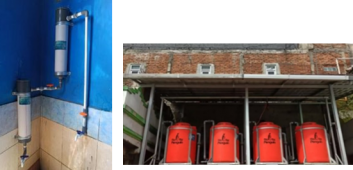
  Keberhasilan ini ia teruskan ketika tempatnya bekerja melaksanakan Pengabdian kepada Masyarakat di sekolah yang tidak memiliki air bersih. Padahal sekolah tersebut paling tidak menampung 300 siswa dan guru. Itulah SMK Putra Bahari di Soreang yang sumber air bersihnya tidak bisa digunakan. Walau sempat bimbang namun temuannya ia terapkan di sekolah tersebut. Langkah pertama untuk masyarakat menambah keyakinannya. SMK Putra Bahari sangat terbantu dengan penyaringan air temuannya. Semula untuk berwudlu saja susah, karena airnya keruh dan berbau. Sekarang air di sekolah tersebut dapat dipergunakan, bahkan bisa dipakai merebus telor/memasak.

.

Atasi Keluhan Warga Cimahi Selatan

  Temuan ini terus dikembangkan di tempatnya bekerja melalui kerjasama Penelitian dan Pengabdian kepada Masyarakat dengan Pemda Cimahi yang didukung unit kerjanya Fakultas Teknik. Pemda Cimahi mengalami kendala pengadaan air bersih untuk kebutuhan secara komunal. Salah satu permasalahan yang dihadapi adalah air bersih, jernih yang dapat dikonsumsi  untuk keperluan sehari-hari, seperti: mandi, mencuci pakaian sampai dengan keperluan memasak. Air bersih hal penting dalam meningkatkan kualitas hidup sehat masyarakat di suatu wilayah. Namun tidak sedikit yang mendapat kendala masalah ketersediaan air bersih untuk memenuhi kebutuhan tersebut.

  Setelah kerja Penelitian dan Pengabdian kepada Masyarakat berjalan selama tiga bulan didukung Dinas Perumahan dan Kawasan Pemukiman (DPKP) Kota Cimahi serta Kelompok Pengguna dan Pemanfaat Air (KP2A). DPKP Kota Cimahi menyerahkan satu unit instalasi penjernih air untuk kapasitas 180 KK kepada kelompok KP2A di atas, di Kelurahan Cibeureum, Cimahi Selatan. Itulah projek percontohan untuk warga RW 14 Kelurahan Cibeureum yang dikembangkan dari hasil temuan Pak Martoni. Kerja untuk masyarakat ini melibatkan dosen serta mahasiswa Program Studi (Prodi) Teknik Mesin, Fakultas Teknik UTama melalui kegiatan Pengabdian kepada Masyarakat (PkM) melakukan penelitian terhadap air keruh dan berbau di daerah tersebut dan memberi solusi satu unit instalasi penjernih air.

.

Pendekatan Ilmiah dan Raihan “Silver Medal”

  Martoni, ST., MT., adalah dan Kaprodi Teknik Mesin D3 UTama terpanggil untuk mendapatkan solusi atas fenomena air tersebut. Tentu yang menjadi perhatian  Pak Martoni sebagai akademisi adalah scientific method atau metode ilmiah yang memang menjadi pijakan dalam penelitian. Salah satu tantangan dalam inovasi ini adalah bagaimana mendapatkan kebaruan, mampu menyelesaikan masalah di masyarakat dan memiliki nilai ekonomis.

  Permasalahan di atas memang perlu diselesaikan, apalagi bagi seorang akademisi. Untuk bisa lebih dipertanggungjawabkan, inovasi tersebut sudah dibuat dalam bentuk penelitian dan sudah terbit dalam publikasi jurnal dengan judul Research the effect of sarsing media compotition on filtered water quality, 2020. Kedepan, inovasi ini akan dilanjutkan dengan pengembangan berbasis standardisasi sehingga dapat diterima oleh pasar dengan standardisasi yang ditetapkan oleh pemerintah.

  Inovasi dikembangkan juga di kampus dengan dukungan Rektorat dan Dekan Fakultas Teknik UTama, Pak Martoni mendesain secara sederhana alat ini yang diberi nama “SarmUT, Saringan air  mesin Universitas Widyatama”.

  Inovasi yang berbasis penelitian ini melewati beberapa tahap yang dilakukan oleh Pak Martoni yaitu:

1.Mendalami materi mengenai metoda penjernihan air dengan media yang digunakan dengan masing-masing kekurangan dan kelebihanya.
2.Mengetahui pengaruh masing masing media dan komposisi yang tepat sehingga menghasilkan hasil yang terbaik dengan mencoba menganalisis dengan memanfaatkan metoda statistik yaitu metoda factorial design dan Least square.
3.Melakukan Uji coba terhadap kualitas air dengan cara sederhana, yaitu membubuhkah zat pengendap kotoran yang terkandung dalam air dengan jumlah air yang sama dan campuran zat kimia yang sama untuk komposisi media saring yang berbeda, baik untuk susunan pemasangan maupun perbandingan volume media saring.
4.Melakukan analisis endapan pada masing masing sampel dengan menggunakan metoda least square dan factorial design sehingga dihasilkan perbandingan yang terbaik untuk masing-masing perbandingan komposisi media saring.
5.Melakukan perancangan dan pembuatan saringan yang disesuaikan dengan kapasitas yang diperlukan. Untuk tahap ini maka dibuat saringan dengan ukuran kecil yaitu dengan diameter 4 inchi dan panjangnya 0,5 meter. Media yang digunakan adalah ferrite, arang aktif dan zeolite dengan perbandingan 5:6:5. Setelah alat jadi maka dilakukan pengujian dan hasilnya cukup memuaskan, kualitas air lebih baik yaitu jernih dan tidak berbau dengan debit yang dihasilkan 1 liter/ 14 detik. Penerapannya adalah dengan menggunakannya sendiri dan melakukan kerjasama dengan SMK Putra Bahari dalam kegiatan Pengadian kepada Masyarakat (PkM).

  SarmUT tidak berhenti sampai disitu, tapi dikembangkan lebih lanjut dengan melibatkan tim beranggotakan lima mahasiswa, yaitu Muhamad Farhan Anshari, Maxi Millian, Taufik Waliyudin, Fitra Rizkiarjo serta Faris Kusuma Alfano dibimbing Pak Martoni, ST., MT., sebagai dosen pembimbing. Lalu ikut serta dalam ajang “International Invention Competition Young Moslem Scientists” (IICYMS) tahun 2021. SarmUT meraih “Silver Medal” setelah bersaing dengan 105 tim dari 13 negara yang ambil bagian di kompetisi tersebut. IICYMS adalah kompetisi inovasi produk tingkat internasional diselenggarakan Indonesian Young Scientist Association (IYSA) dan Universitas Islam Negeri Sunan Gunung Djati, Bandung, pada tanggal 1- 4 Juli 2021 lalu.

  Selamat Pak Martoni, semoga terus berkarya dan berinovasi. Namun perlu diingat keberhasilan tersebut memerlukan dukungan semua pemangku kepentingan, ekosistem penelitian dan pengabdian kepada masyarakat, serta kebijakan yang berpihak. Inilah wujud Dosen Penggerak dan Organisasi Penggerak dalam koridor Kampus Merdeka – Merdeka Belajar. Semoga Pak Martoni dan UTama terus berkembang maju, khususnya dalam penelitian dan pengembangan yang mampu memberi solusi bagi masyarakat. (lili irahali)

Kakao = Cokelat

.

Kakao = Cokelat

Potensi Komoditas, dan Olahan

Biji Kakao220px-Cocoa_Pods-Wikipedia  Kakao adalah bahan bakunya, produk olahannya adalah cokelat. Kakao terbaik salah satunya dari Indonesia, “kakao mulia” namanya yang dibudidaya di Perkebunan Banyuwangi Jawa Timur. Namun, cokelat (kakao olahan) terbaik masih berasal dari Swiss. Apakah ini tantangan?

  Produk olahan kakao atau disebut cokelat, juga kuliner berbahan baku cokelat bagi orang Indonesia belum menjadi keseharian. Coba kita ingat olahan cokelat yang sering kita jumpai sebagai kudapan: minuman cokelat hangat atau dingin, cokelat dalam bentuk batangan atau lainnya yang dibuat lokal GuSant (Blitar) Krakatoa (Jakarta), Soklat Inyong (Purwokerto, Banyumas), Cokodot (Garut), Wonder Chocolate, Pod Cokelat (Bali), Fondre (Jember), Cokelat Mojopahit (Jember), Soklate, Cokelat Monggo (Jogja), atau Moodco (Malang). Juga olahan tepung terigu, casava ataupun beras yang dilengkapi cokelat semisal: roti cokelat, martabak cokelat, bakpia cokelat, dadar gulung cokelat, kue pukis cokelat, putu ayu cokelat, kue lapis cokelat. Sekarang trendi brownies kukus Amanda dari Bandung yang kuat olahan cokelatnya dengan aneka variasi. Sementara minuman cokelat, susu cokelat masih kalah jauh dengan kopi yang ada di mana-mana dan sebagai konsumsi harian, padahal kemasan bubuk cokelat tersedia. Memang kini, kalau kita perhatikan olahan kuliner di atas yang dilengkapi cokelat sudah menjadi kudapan orang Indonesia. Apakah masih peluang? Bisa jadi. Tergantung para wirausaha muda.

Potensi Komoditas dan Olahan

kakao-traveldetikcom  Sejarah tanaman kakao Indonesia, berasal dari Filipina pada tahun 1560 yang dibawa pelaut Spanyol. Kakao pertama kali masuk melalui kota Minahasa Sulawesi Utara, selanjutnya dibudidayakan di pulau Jawa, dan tahun1938 di era Hindia Belanda tananam kakao dikembangkan di perkebunan. Tahun 1980 produksi kakao berkembang dan Indonesia tercatat sebagai penghasil kakao terbesar ketiga di dunia.

  Tahun 2019 volume ekspor komoditas biji kakao Indonesia mencapai 358,48 ribu ton atau senilai 1.129 ribu dolar AS. Sementara sentra produksi kakao Indonesia sekitar 783.978 ton dari luas area tanaman 1.678.269 hektar dengan produksi tersebar di 33 provinsi. Sulawesi Tenggara produksi 137.737 ton (18 %), Sulawesi Tengah 127.669 ton (16 %), Sulawesi Selatan 118.775 ton (15 %) Sulawesi Barat 71.543 ton (9 %) Sumatera Barat 58.582 ton (8 %), sisanya 28 provinsi menyumbang 33 %.

  Komoditas biji kakao Indonesia terdapat 3 jenis, yakni criollo, forastero, dan trinitario dengan kualitas dan kekhasan yang berbeda. Perbedaan jenis kakao memiliki beragam kualitas dengan kekhasan aroma, rasa, dan khasiatnya yang sekaligus mempengaruhi nilai ekonominya.  Industri pengolahan kakao Indonesia dalam 3 tahun terakhir meningkat dari 483.000 ton/tahun di tahun 2018, 487.000 ton di tahun 2019 dan di tahun 2020 mencapai 500.000 ton/tahun. Namun pasokan biji kakao dalam negeri baru mampu memenuhi sekitar 45,66 % atau 196.787 ton terhadap industri pengolahan kakao nasional, sisanya justru diisi atau impor dari negara lain. Pasokan biji kakao dalam negeri yang akan diolah menjadi bahan baku industri pengolahan sebagian besar tidak melalui proses fermentasi, atau fermentasinya kurang sempurna.  

  Produk kakao baik berupa biji, olahan (semisal: cocoa liquor, cocoa cake, cocoa butter, cocoa powder), hingga produk cokelat menyumbang pendapatan ekspor. Peluang melebarkan di pasar global sangat terbuka. Karakteristik biji kakao Indonesia memiliki titik leleh tinggi dan kaya kandungan lemak sehingga industri pengolahan kakao menghasilkan produk berkualitas tinggi baik dari segi aroma, rasa, maupun manfaat kesehatan.

  Olahan kakao yang sudah terstandadisasi diantaranya cocoa liquor cocoa cake cocoa butter dan cocoa powder. Kualitas produk olahan kakao Indonesia cukup terkenal di luar negeri. Produk industri pengolahan ini lebih 80 % diekspor ke Malaysia India, Cina, Belanda dan Amerika Serikat. Dan ini memberikan nilai devisa yang semakin meningkat, pada periode Januari – Juni 2020 mencapai 549 juta dolar AS meningkat 5,13 % dibanding periode sama di tahun sebelumnya. Sementara yang 20 % untuk pasar dalam negeri, karena saat ini pertumbuhan konsumsi cokelat di Indonesia masih sekitar 5,9 %. Bila dibandingkan dengan negara Swiss yang merupakan produsen cokelat terbaik karena didukung konsumsi cokelatnya mencapai 8,4 kg/kepala/tahun, sementara Indonesia baru 0,3 kg/kepala/tahun.

PukisCoklat  Kondisi tersebut menjadikan di dalam negeri cokelat bukan produk yang banyak dikonsumsi orang sebagaimana halnya kopi dan teh yang dikonsumsi hampir di setiap kesempatan. Minum cokelat belum menjadi keseharian. Walau demikian olahan kudapan lain dengan dilengkapi cokelat banyak kita jumpai dan melengkapi variasi kudapan tradisional Indonesia. Seperti roti cokelat, martabak cokelat, bakpia cokelat, dadar gulung cokelat, kue pukis cokelat, putu ayu cokelat, kue lapis cokelat. Atau apalagi, silakan berkreasi. Semoga cokelat terus berkontribusi bagi perekonomian Indonesia baik untuk konsumsi dalam negeri maupun sebagai poduk ekspor. (@lee – dari berbagai sumber)  

.

EKSPRESIKAN POTENSI ANDA melalui KOMUNITA …..!!!

SEdEKAH ILmU………

MENJEMPUT PAHALA TIDAK TERPUTUS

MARI BERBAGI PENGETAHUAN DAN KOMPETENSI BAGI SESAMA …..  

EKSPRESIKAN POTENSI ANDA melalui KOMUNITA …..!!!

Redaksi menerima tulisan (artikel, berita), karikatur, ilustrasi, foto kegiatan

Redaksi KOMUNITA menerima tulisan (artikel, berita), karikatur, ilustrasi, foto kegiatan dengan syarat : topik atau tema aktual, relevan, penyajian cukup singkat, dan disajikan secara menarik, belum pernah dipublikasikan. Untuk naskah tulisan 1.500 s/d 2.000 kata dalam bahasa Indonesia dalam 1,5 spasi. Redaksi berhak mengedit naskah tulisan (tidak perlu memberitahu penulis/pengirim sebelumnya) dengan tidak mengurangi makna isi tulisan.

Tulisan disampaikan ke alamat email : [email protected], yandaramadana @gmail.com, atau Redaksi Komunita, Gedung A lantai 1 Yayasan Widyatama, Kampus Widyatama, jl. Cikutra 204 A Bandung, 40125

Naskah tulisan, karikatur, ilustrasi, foto kegiatan yang lolos akan dimuat secepatnya. Jika tidak bisa dimuat, dipastikan dikembalikan paling lama empat minggu dari penerimaan naskah.

Untuk kelengkapan administrasi, bila mengirimkan naskah tulisan, karikatur, ilustrasi, foto kegiatan mohon disertakan riwayat hidup singkat, serta pas foto. Terima kasih. (Redaksi)

.

REDAKSI

.

.

TOPIK KOMUNITA Edisi berikut.

Edisi # 30 : SDGs, Bagaimana upaya PT.

Edisi # 31 : Biaya Pendidikan Tinggi Mahal ? Edisi # 32 : Bonus Demografi Peluang & Tan-tangan

Kami mengundang bpk, ibu, rekan-rekan, serta adik-adik mahasiswa berpartisipasi dan berbagi pengalaman dan pengetahuan dalam topik di atas berbentuk naskah tulisan, foto dll.

Kami tunggu partisipasi Anda. Terima kasih. (red.)

Salam,

Redaksi

PENDAMPINGAN TENANT WIDYATAMA BUSINESS INCUBATOR (WIBI)
0

.

PENDAMPINGAN TENANT

WIDYATAMA BUSINESS INCUBATOR (WIBI)
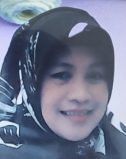
Keni-KaniawatiData menggambarkan penyerapan tenaga kerja di Indonesia setiap tahun – dari tahun 2018 sd. 2020) baru 1,5 % dari total penduduk Indonesia sebanyak 270 juta orang atau sekitar 3,06 juta orang saja. Data Kementerian Perindustrian Indonesia tahun 2020-2021 menyebutkan pertumbuhan industri di berbagai bidang seperti otomotif, makanan dan minuman, pusat data, minyak dan gas, kimia, logistik, elektronik, medis, dan lainnya kurang menggembirakan di tengah pandemi. Hal tersebut menunjukkan ketimpangan antara jumlah ketersediaan lapangan kerja di perusahaan atau industri dengan ketersediaan penduduk usia kerja. Fakta ini menunjukkan bahwa perguruan tinggi harus memainkan peran dalam mendorong para lulusan menjadi wirausaha-wirausaha muda yang terampil siap mandiri. Pemerintah telah memfasilitasi perguruan tinggi membentuk inkubator bisnis yang memfasilitasi wirausaha muda dari lingkungan kampus. Widyatama Business Incubator (WiBI) adalah salah satunya.
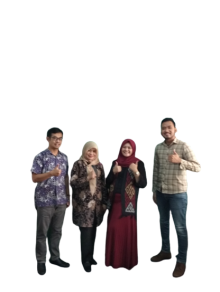
Inkubator bisnis merupakan wadah yang memfasilitasi segala potensi yang ada di perguruan tinggi sebagai unit bisnis untuk kepentingan kegiatan akademis maupun non akademis. Pentingnya inkubator bisnis di kampus, karena kampus merupakan langkah awal untuk mendekatkan dengan para stokeholder. Jadi inkubator bisnis adalah fasilitas dan tempat fisik yang menampung proses inkubasi bisnis bagi tumbuhnya wirausaha muda.

Beberapa penelitian menunjukkan bahwa model inkubasi yang paling efektif untuk program inkubasi bisnis adalah model pendampingan partisipatif. Tenant binaan dilibatkan dalam setiap proses pengambilan keputusan dan terlibat secara aktif dalam diskusi mengenai permasalahan usaha dan solusi untuk mengatasinya. Inkubasi tenant dapat dilakukan dalam tiga tahap: pra inkubasi, tahap inkubasi, dan tahap pasca inkubasi. Program inkubasi terutama meliputi pelatihan teknis dan manajemen, pembukuan sederhana, penyusunan rencana bisnis, fasilitasi akses permodalan, dan pemasaran.

  Keni Kaniawati SE., M.Si – Kepala Inkubator Bisnis Universitas Widyatama meyakini inkubator bisnis di kampus bermanfaat untuk proses belajar mengajar maupun pembelajaran yang memberikan dampak pengalaman secara lebih riil bagi mahasiswa. Hal ini dikarenakan semua entitas mahasiswa yang terlibat di dalam inkubator bisa merasakan atmosfer yang mendekati kondisi di lapangan. Inkubator bisnis di lingkungan akademis memang sangat strategis sebagai tempat yang progresif untuk membawa mahasiswa ke lingkungan belajar yang berbeda dengan kelas konvensional.

  WiBI mempunyai tiga program pelayanan yaitu : Pra Inkubasi, Inkubasi dan Pasca Inkubasi. Salah satu implementasi program tersebut pada hari Sabtu, 31 Juli 2021, WiBI menyelenggarakan pendampingan tenant melalui webinar zoom meeting yang dihadiri para tenant residen maupun tenant non residen. Melalui tiga program layanan tersebut WiBI memberikan masukan dan manfaat yang sangat berguna bagi peningkatan wirausaha mahasiswa. Tujuan kegiatan tersebut untuk mengimplementasikan peran kreatifitas dan inovasi bagi kewirausahaan di kampus dalam rangka menciptakan calon wirausaha baru bagi mahasiswa atau alumni. Kegiatan tersebut memberi manfaat sangat besar bagi peningkatan mental wirausaha, peningkatan ekonomi, omset dan kesejahteraan tenant. Metode kegiatan program WiBI meliputi: (a) pengembangan bakat tenant, (b) pembekalan hard dan soft skill tenant, (c) peningkatan dan pemberdayaan wirausaha tenant, (d) penambahan modal tenant untuk lebih tangguh dan mandiri.

  Dalam pelaksanaan kegiatan melalui pembelajaran, pelatihan dan pemberdayaan menggunakan metode Project Based Learning (PBL) yang memuat model pendampingan dan pemberdayaan: doing, empowering, fasilitating dan evaluating. Model Participatory Rural Appraisal (PRA) berbasis partisipatif, penggalian potensi/bakat untuk menghasilkan dan mendapatkan calon wirausaha baru sesuai bakatnya. Peserta adalah para tenant residen maupun tenant non residen, mahasiswa perintis usaha baru (start-up).

  Manager WiBI – Lutfi Firman Firdaus S.M. yang terjun langsung menguraikan bahwa penggelolaan Incubator Bisnis merupakan peran yang penuh tantangan dan tuntutan. Oleh karena itu, kami berkomitmen untuk selalu mendukung, juga memperhatikan para wirausaha muda maupun UMKM khususnya yang tergabung dalam WiBI. Kami memfasilitasi ruang tenant untuk melakukan proses produksi serta memberikan training maupun coaching dari para praktisi maupun dari pengelola inkubator bisnis. Juga memberikan bantuan akses pasar dan supplier, akses permodalan, kemitraan maupun promosi secara digital.

Asisten Manager WiBI – Gita Genia Fatihat SMB.MM. menguatkan bahwa seorang wirausaha perlu memahami serta penyusunan rencana keuangan dan pengelolaan arus kas agar bisnis yang dijalankannya dapat berjalan dengan baik, terencana, dan dapat mengurangi resiko kegagalan bisnis. Permasalahan yang biasanya muncul dalam membangun bisnis yaitu masalah permodalan. Modal dapat diperoleh dari pemilik pribadi maupun oleh pihak ketiga. Untuk perintis yang akan membangun bisnis, sumber dana dari pihak ketiga itu penting untuk mengembangkan usaha tersebut. Namun, sebagian besar ini menjadi masalah karena belum memiliki pengalaman ataupun kepercayaan untuk mencari investor. Maka WiBI hadir untuk menjembatani persoalan ini. WiBI akan berusaha mencarikan sumber dana bagi para tenantnya. Dalam rangka mendukung jalannya usaha tenant baik tenant residen maupun tenant non residen.

WiBI akan memfasilitasi yang sumber dananya berasal dari Hibah IBT, Hibah CPPBT, CSR, Subsidi Pemerintah, Kememkop Koperasi dan UMKM, pendanaan In-Kind. Pendanaan tersebut diperoleh tentunya dengan mengajukan proposal hibah Inkubator Bisnis, proposal Business Plan para tenant. Oleh karena itu WiBI akan melakukan program pendampingan tenant dengan pelatihan penyusunan proposal Business Plan dan BMC.

  Dalam akses pemasaran tenant WiBI diharapkan dapat mengaplikasikan teknologi dalam mengembangkan bisnisnya. Artinya tenant WiBI harus mengikuti perkembangan jaman era digital marketing sehingga tidak tertinggal dengan bisnis yang lainnya jelas Asisten Manajemen Pemasaran WiBI, Andi Sukma SS.SE.MM.

.

Write by : Keni Kaniawati, SE., M.Si.

Ketua Widyatama Business Incubator, Dosen Tetap Universitas Widyatama,

Email: [email protected]; No kontak: 082319616313/081221791046

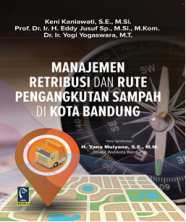
Manajemen Restribusi Dan Rute Pengangkutan Sampah Di Kota Bandung
.

Judul       : Manajemen Restribusi Dan Rute Pengangkutan

                        Sampah Di Kota Bandung
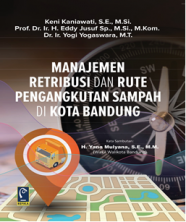
Penulis    : Keni Kaniawati SE. M.Si

                Prof Dr.Ir.H. Eddy Jusuf Sp.M.Kom, M.Si

                Dr.Ir. Yogi Yogaswara M.T

Penerbit      : REFIKA

Tahun Terbit  : 2021

ISBN       : 978-623-7060-84-0

.

.

.

Ditilik secara harfiah, sampah adalah sesuatu yang tidak berguna lagi atau dibuang oleh pemilik atau pemakainya semula. Sumbernya bisa dari berbagai aktivitas manusia, mulai dari aktivitas pemukinan, pertanian, pembangunan gedung, perdagangan, perkantoran dan industri.

Manajemen sampah sudah menjadi isu yang mengiringi geliat dan derap langkah keberaadaan kota-kota besar di dunia, termasuk Kota Bandung yang sudah masuk katagori metropolitan. Bahkan Bandung sempat mengalamai perististiwa “Bandung Lautan Sampah” akibat tragedi longsor sampah di tempat pembuangan akhir (TPA) dipinggiran Kota Bandung waktu itu.

Warga Kota Bandung tidak akan pernah melupakan peristiwa 16 tahun lalu atau tepatnya Senin, 21 Februari 2005, dimana terjadinya longsor puluhan ton sampah yang menimpa pemukiman kumuh di Tempat Pembuangan Akhir (TPA) Leuwigajah yang telah merengut 147 nyawa manusia. Terlepas dari peristiwa yang memprihatinkan tersebut, momentum ini juga merupakan titik penyadaran pemerintah dan warga Bandung mengenai karut marutnya pengeolaan sampah dikawasan metropolitan tersebut.

Sejak saat itu dilakukan pembenahan menyangkut manajemen pengelolaan sampah, antara lain dari aspek kontribusi serta rute pengangkutan yang merupakan unsur urgen dalam manajemen pengelolaan sampah secara keseluruhan.

Namun seiring dinamika perkembangan dan pertumbuhan kota besar, setiap waktu manajemen pengelolaan tentu saja harus disempurnakan. Hal ini seiring pula dengan pertambahan penduduk dari tahun ke tahun yang meniscayakan pertambahan volume sampah yang dihasilkan.

Sebuah buku yang mengulas secara mendalam ihwal pengelolaan sampah, klasifikasi serta kebijakan yang mengiringi diterbitkan oleh Refika Aditama Bandung. Buku ini ditulis bersama: Keni Kaniawati SE.M.Si. (Dosen Tetap Universitas Widyatama), Prof.Dr.Ir.H. Eddy Jusuf Sp.,M.Kom.M.Si. (Guru Besar Tehnik Industri Universitas Pasundan), Dr.Ir. Yogi Yogaswara M.T. (Dosen Tetap Universitas Pasundan) dengan tajuk ”Manajemen Retribusi dan Rute Pengangkutan Sampah di kota Bandung. Buku ini juga diberi kata sambutan oleh Wakil Wali Kota Bandung, H. Yana Mulyana SE.M.M.  

Buku ini disusun dengan tujuan untuk dapat memberikan manfaat khususnya kepada pemerintah daerah dalam membantu menuntaskan permasalahan pengelolaan retribusi dan sistem pengangkutan sampah di kota masing-masing. Buku juga dilengkapi berbagai contoh implementasi dari proses dan metode pengelolaan hingga sistem pengangkutan sampah.

Konten buku ini merupakan wujud implementasi hasil penelitian para penulis, dimana pengelolaan sampah di kota Bandung masih mengalami permasalahan terkait dengan sarana dan prasarana yang masih minim, pembiayaan yang belum memadai, kemapuan operasional pelayanan masih rendah, kemampuan dan kualitas SDM juga masih rendah serta minimnya peran serta mayarakat, penerapan Perda K3 masih belum optimal dan belum tersedianya tempat pemprosesan akhir sampah yang memadai.

Bagaimanapun, manajemen pengakutan sampah masih banyak mengalami permasalahan. Sebagai contoh yang dapat kita perhatikan adalah pengangkutan sampah yang melewati beberapa ruas jalan protokol pada jam sibuk yang berakibat timbulnya kemacetan lalu lintas dan tingkat penggunaan angkutan sampah pun tidak optimal. Belum lagi jumlah armada pengangkutan yang ada. Hal ini tentu membutuhkan intervensi instrumen yang empirik sebagai bagian dari riset manajemen dan teknologi. Inilah yang menjadi aspek penting dalam pembahasan buku ini.

Semua aspek dalam pengelolaan sampah juga harus disesuaikan dengan prinsip-prinsip terbaik untuk kesehatan, ekonomi, teknolog/engenering, estetika, lingkungan, dan juga terhadap sikap masyarakat. Dalam menentukan strategi manajemen pengelolaan sampah juga diperlukan informasi mengenai timbulan sampah, komposisi, karateristik dan laju penimbunan sampah. Faktor-faktor ini menjadi bagian yang ikut dalam kuantifikasi dan tabulasi sebagai dasar dalam pengambilan kebijakan dan manajemen.

Gambaran tentang problematik pengelolaan sampah kota Bandung dalam buku ini tentunya layak menjadi rujukan bagi para peneliti/dosen, mahasiswa S1/S2 maupun S3 demi peningkatan pengelolaan sampah yang semakin baik di kota Kembang ini.

(Keni Kaniawati & Erwin Kustiman)

.

.

Millennial Hydro Group Urban Farming seorang Bayu
  

Tenant

Business Incubator/WiBI

Keni Kaniawati

Millennial Hydro Group

Urban Farming seorang Bayu

  Menjadi seorang pengusaha sukses di usia muda tentu tidak bisa dialami oleh semua orang dan instan. Untuk mewujudkan hal tersebut, akan membutuhkan banyak usaha dan juga kerja keras, sebab kesuksesan tidak akan didapatkan dengan mudah, apalagi di usia yang masih muda. Namun berbagai macam usaha dan juga kesempatan yang coba diciptakan oleh beberapa orang anak muda, mampu membawa mereka menjadi pengusaha sukses di usia muda. Beragam prestasi di luar kuliah atau sekolah bisa mereka dapatkan, yakni dengan membuka usaha.

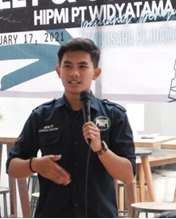
  Memiliki prinsip hidup “Keberhasilan itu berada di puncak segunung kegagalan, maka jika ingin sukses carilah kegagalan sebanyak–banyaknya agar mencapai titik keberhasilan yaitu puncak segunung kegagalan”, itulah pria muda kelahiran Bandung yang memiliki nama lengkap Gumelar Bayu Fadillah.

Gumelar Bayu Fadillah S.M.

Sejak masa kuliah di Universitas Widyatama, Bayu menekuni bisnis dengan beragam usaha. Untuk meningkatkan skillnya Bayu mengikuti beberapa pelatihan, dan workshop Kewirausahaan. Salah satunya workshop yang diselenggarakan atas kerjasama Dispora Jabar dengan Universitas Widyatama Angkatan ke VIII. Penyelenggaraan workshop tersebut merupakan salah satu dimensi penting dalam membentuk jiwa pemuda Indonesia yang perlu dikembangkan untuk mendorong kemandirian pemuda di bidang ekonomi. Mengapa demikian, mengingat tingkat pengangguran di Indonesia saat ini masih cukup tinggi, utamanya lulusan perguruan tinggi. Namun yang terpenting dari wirausaha ini yakni harus dapat menentukan segmentasi dan terus introspeksi.

Untuk meraih kesuksesan, Bayu selalu kerja keras dan tekad yang kuat. Hal ini tentu saja tidak bisa dilakukan dalam waktu sekejap. Mencoba dan berusaha melakukan yang terbaik adalah salah satu jalan menuju kesuksesan di usia muda. Dengan usianya yang relatif muda yaitu 21 tahun, namun pengalaman bisnis dan organisasinya sudah cukup matang. Terbukti Kang Bayu sapaan yang cukup dikenal di kalangan mahasiswa Universitas Widyatama. Ia pernah menjabat sebagai Ketua Umum HIPMI PT Universitas Widyatama 2020-2021 serta pernah sebagai staff Pemerintah Mahasiswa Universitas Widyatama, dan juga sebagai Ketua Angkatan 2017 Universitas Widyatama.

Bayu, Ketua WIBI Keni Kaniawati SE.M.Si dan Manager WIBI Lutfhi Firman Firdaus S.M.

Selain itu ia aktif di organisasi luar kampus sebagai Komisi Lingkungan Hidup KNPI Kota Bandung tahun 2018-2021 dan juga sebagai Wakil Ketua Karang Taruna Kelurahan Pasirwangi.

Selama menjadi Tenant Widyatama Business Incubator/WiBI, Bayu merasakan manfaatnya dimana ia menjadi lebih fokus pada usahanya, lebih memunculkan ide kreatif dan inovasinya. Sehingga dia berharap usahanya bisa tembus ke pasar nasional maupun internasional. Dalam menjalankan usahanya, kini Bayu sebagai Owner Springrolls Bandung, Owner Kedai Moozu Bandung, Founder Lembur Sayur. Bayu dan rekan mitra bisnisnya mendirikan beberapa bidang bisnis salah satunya adalah Millennial Hydro Group/MHG yang bergerak di bidang Agrobisnis yaitu hidroponik. MHG menawarkan beberapa produk yaitu: sayuran hidroponik, instalasi hidroponik, pendampingan, pelatihan hidroponik, dan juga Minuman Healthy.

Millenniall Hydro Group ini lahir akibat keresahan seorang Bayu memperhatikan di lingkungan sekitarnya semakin banyak lahan kosong, lahan semakin sempit untuk pertanian, khususnya di Kota Bandung. Itulah awal mula terbentuknya MHG. Guna menjawab keresahan pribadinya ia membuat Urban Farming di pekarangan rumah dengan metode hidroponik berbasis rumahan. Millenniall Hydro Group beralamat di Komp. Pemda Cingised Jl, Paripurna Blok D No 76 RT 04 RW 06 Kelurahan Cisaranten Indah Kecamatan Arcamanik Bandung 40293. MHG memiliki visi membuat perkotaan yang kaya akan sayuran.

Masa pandemi Covid-19, Bayu merasakan dampaknya. Akan tetapi dengan ide cemerlangnya untuk keluar dari kesulitan tersebut, Bayu mengajak seluruh pegiat UMKM untuk tetap Struggle menghadapi tantangan di masa Pandemi. Ia mengembangkan sistem berkolaborasi agar bisa bertahan dalam masa pandemi ini. Melaui upaya berkolaborasi hal yang dianggap tantangan akan berubah menjadi peluang bisnis yang menjanjikan. Bagi yang ingin kolaborasi dengan Millenial Hydro Group dapat follow instragramnya millennialhydrogroup.id dan IG @wibiutama 204A dan bisa menyaksikan chanel youtube nya dengan link https://youtu.be/axHjeX4AvDY.

TIGA SOSOK PENDIDIK PERGURUAN TINGGI, IMPLEMENTASI MBKM

.

.

TIGA SOSOK PENDIDIK PERGURUAN TINGGI,

IMPLEMENTASI MBKM

.

.

  Kita sering mendengar istilah dosen, instruktur dan tutor dalam proses pembelajaran di perguruan tinggi. Namun seringkali kita melupakan peran berbeda ketiganya. Tampak umumnya Perguruan Tinggi (PT) hanya menitikberatkan pada dosen sebagai pendidik. Bahkan mungkin PT menyederhanakan, baik pengajaran pengetahuan dan keterampilan sama-sama dilakukan sosok dosen. Padahal syarat menjadi dosen adalah S-2. Seseorang yang bergelar S-2 walau sudah pasti memiliki pengetahuan, namun belum tentu memiliki keterampilan.

  PT yang melakukan hal ini, biasanya berkompromi mengesampingkan aspek keterampilan dosen, yang penting berijazah S-2. Pada kegiatan pengajaran pengetahuan, dosen tidak akan mengalami kesulitan berarti. Namun pada kegiatan praktikum, dosen akan menghadapi kendala karena kurang penguasaan keterampilan. Proses praktikum menjadi dilakukan seadanya dan semampunya. Proses praktikum dipasrahkan kepada asisten yang hanya berstatus senior satu tahun di atas peserta praktikum. Hasilnya tentu lulusan memiliki kompetensi yang tidak lengkap, terutama pada aspek keterampilan mereka. Selain itu dengan merangkap jabatan sebagai instruktur, tri dharma lain dosen yakni melakukan penelitian, dan pengabdian kepada masyarakat bisa jadi terbengkelai. Padahal penelitian dan pengabdian kepada masyarakat ini penting untuk meningkatkan pengembangan keilmuan, penguatan konten pembelajaran, serta peningkatan jabatan fungsional dosen, serta peningkatan peringkat PT tersebut.

  Mengacu Permenristekdikti Nomor 2 Tahun 2016 tentang Registrasi Pendidik pada PT, mengklasifikasikan pendidik di pendidikan tinggi dalam tiga sosok, yakni: (1) dosen, (2) instruktur, dan (3) tutor. Dosen adalah pendidik profesional dan ilmuwan dengan tugas utama mentransformasikan, mengembangkan, serta menyebarluaskan ilmu pengetahuan dan teknologi melalui pendidikan, penelitian dan pengabdian kepada masyarakat. Instruktur adalah pendidik yang menekankan pembinaan pada penguasaan aspek keterampilan di perguruan tinggi. Sedang Tutor adalah pendidik yang diangkat untuk membantu dosen dan berfungsi memfasilitasi belajar mahasiswa dalam sistem pendidikan tinggi. Baik dosen, instruktur, maupun tutor berdasar Permenristekdikti tersebut diakui sebagai pendidik, yang membedakan adalah peran mereka masing-masing. Dosen mengajarkan teori lewat pengajaran, instruktur mengajarkan praktek lewat praktikum, sedangkan tutor mengajarkan cara menyelesaikan soal melalui kegiatan tutorial.

  Peran ketiga sosok pendidik tersebut diperkuat Permendikbud Nomor 3 Tahun 2020 tentang Standar Pendidikan Tinggi yang menegaskan pada Pasal 5 ayat (1) bahwa Standar kompetensi lulusan merupakan kriteria minimal tentang kualifikasi kemampuan lulusan yang mencakup sikap, pengetahuan, dan keterampilan yang dinyatakan dalam rumusan Capaian Pembelajaran lulusan.

  Terkait sikap Pasal 6, ayat (1) menyebutkan bahwa Sikap sebagaimana dimaksud dalam Pasal 5 ayat (1) merupakan perilaku benar dan berbudaya sebagai hasil dari internalisasi dan aktualisasi nilai dan norma yang tercermin dalam kehidupan spiritual dan sosial melalui proses Pembelajaran, pengalaman kerja mahasiswa, Penelitian dan/atau Pengabdian kepada Masyarakat yang terkait Pembelajaran. Sikap ini tentunya diajarkan oleh ketiga sosok pendidik tersebut sesuai perannya.

  Terkait pengetahuan, ayat (2) menyebutkan bahwa Pengetahuan sebagaimana dimaksud dalam Pasal 5 ayat (1) merupakan penguasaan konsep, teori, metode, dan/atau falsafah bidang ilmu tertentu secara sistematis yang diperoleh melalui penalaran dalam proses Pembelajaran, pengalaman kerja mahasiswa, Penelitian dan/atau Pengabdian kepada Masyarakat yang terkait Pembelajaran. Disinilah peran dosen menjadi yang utama.

  Terkait keterampilan, ayat (3) menyebutkan bahwa Keterampilan sebagaimana dimaksud dalam Pasal 5 ayat (1) merupakan kemampuan melakukan unjuk kerja dengan menggunakan konsep, teori, metode, bahan, dan/atau instrumen, yang diperoleh melalui Pembelajaran, pengalaman kerja mahasiswa, Penelitian dan/atau Pengabdian kepada Masyarakat yang terkait Pembelajaran. Keterampilan mencakup: a. keterampilan umum sebagai kemampuan kerja umum yang wajib dimiliki oleh setiap lulusan dalam rangka menjamin kesetaraan kemampuan lulusan sesuai tingkat program dan jenis Pendidikan Tinggi; dan b. keterampilan khusus sebagai kemampuan kerja khusus yang wajib dimiliki oleh setiap lulusan sesuai dengan bidang keilmuan Program Studi. Disinilah peran instruktur menjadi yang utama.

  Terkait pengalaman kerja mahasiswa, ayat (4) menyebutkan bahwa Pengalaman kerja mahasiswa sebagaimana dimaksud pada ayat (2) dan ayat (3) berupa pengalaman dalam kegiatan di bidang tertentu pada jangka waktu tertentu, berbentuk pelatihan kerja, kerja praktik, praktik kerja lapangan atau bentuk kegiatan lain yang sejenis. Disini pula peran instruktur menjadi penting.

  Dalam konteks di atas ketiga sosok tersebut mempunyai peran yang saling menguatkan dalam proses pembelajaran di perguruan tinggi atau dalam sistem pendidikan tinggi, sehingga capaian Pembelajaran lulusan dapat dipenuhi dengan optimal. Namun di lapangan jarang kita menemukan tiga sosok pendidik tersebut dalam pendidikan tinggi. Umumnya sosok dosen yang lebih menonjol. Padahal peran ketiga sosok tersebut berfungsi menghasilkan capaian pembelajaran sebagaimana diharapkan peserta didik dan sistem pendidikan tinggi itu sendiri.

MBKM memacu peran tiga sosok Pendidik ?

  Kampus Merdeka (”Merdeka Belajar – Kampus Merdeka/MBKM”) diluncurkan 24 Januari 2020. Kebijakan MBKM dalam rangka mewujudkan proses pembelajaran di PT yang otonom dan fleksibel sehingga PT mampu merancang dan melaksanakan proses pembelajaran inovatif agar mahasiswa dapat meraih capaian pembelajaran mencakup aspek sikap, pengetahuan, dan keterampilan secara optimal. Kebijakan MBKM bertujuan meningkatkan “link and match” dengan dunia usaha dan dunia industri, serta mempersiapkan mahasiswa dalam dunia kerja sejak awal. Juga untuk meningkatkan kompetensi lulusan, baik soft skills maupun hard skills agar lebih siap dan relevan dengan kebutuhan zaman, serta menyiapkan lulusan sebagai pemimpin masa depan bangsa yang unggul dan berkepribadian.

  Kata kunci pelaksanaan MBKM adalah inovasi dan kreativitas PT. Juga dukungan dan kerja sama berbagai pihak mulai sivitas akademika, kementerian lain, serta khususnya dunia usaha dan industri. Kebijakan MBKM episode di atas disusul episode Keempat – Organisasi Penggerak, episode Kelima – Guru Penggerak, episode Keenam – Transfomasi Dana Pemerintah untuk Perguruan Tinggi, episode Ketujuh – Sekolah Penggerak, episode Kesembilan – Kartu Indonesia Pintar/KIP Kuliah Merdeka, episode Kesepuluh Perluasan Program Beasiswa Lembaga Pengelola Dana Pendidikan, dan episode Kesebelas Kampus Merdeka Vokasi.

  Kunci lain MBKM adalah hak belajar mahasiswa 3 semester di luar Prodi. Ini artinya akan mengubah struktur kurikulum – akan ada kluster hak belajar di dalam Prodi dan kluster hak belajar di luar Prodi dengan delapan kegiatan, yakni: magang/praktik kerja, proyek di desa, mengajar di sekolah, pertukaran pelajar, penelitian/riset, kegiatan wirausaha, studi/proyek independen, serta proyek kemanusiaan. Hal ini melibatkan peran tiga sosok pendidik di perguruan tinggi tadi (dosen, instruktur dan tutor).

  Mengacu hal di atas, PT mendapatkan instruktur dari dunia usaha dan industri yang tentunya ahli di bidangnya. Instruktur mengajar keterampilan kepada mahasiswa. Karena bukan dosen, maka instruktur tersebut dapat berkonsentrasi pada kegiatan pengajaran keterampilan (praktikum) disamping itu secara hukum tidak memiliki kewajiban penelitian dan pengabdian masyarakat sebagaimana halnya dosen.

  Bagi instruktur ahli dari industri ini mengajar mahasiswa secara paruh waktu sehingga tidak perlu kehilangan pendapatannya di industri, namun tetap dapat membagikan keterampilannya di PT melalui magang mahasiswa. Pendidik dengan model seperti ini tetap dapat didaftarkan ke Kemdikbudristek dan memiliki Nomor Urut Pendidik (NUP) bagi yang bergelar di bawah magister (S-2) atau Nomor Induk Dosen Khusus (NIDK) bagi yang bergelar master S-2 ke atas. Bahkan jika praktisi dari industri ini mengikuti program Rekognisi Pembelajaran Lampau (RPL) dan hasilnya kompetensinya setara dengan S-2, bukan saja ahli mengajar keterampilan sebagai instruktur, melainkan juga bisa mengajar teori sebagai dosen.

  Untuk instruktur, negara tidak mempersyaratkan kualifikasi pendidikan, minimal memiliki kompetensi dan dapat mengajarkan keterampilannya Keterampilan tidak dapat diperoleh dari bangku pendidikan, melainkan dari pengalaman bekerja di lapangan.

  Keterampilan adalah aspek kompetensi yang sama pentingnya dengan pengetahuan, sehingga sudah selayaknya proses pengajarannya diperhatikan dengan sungguh-sungguh dan dilakukan oleh pendidik yang benar-benar kompeten. Untuk dapat melakukannya PT bisa melakukan dengan cara yang efektif yakni memaksimalkan peran instruktur dari dunia usaha dan industri sehubungan. Hal ini tertuang dalamkebijakan MBKM. Dengan adanya instruktur, pengajaran keterampilan dapat lebih terjamin dan dosen dapat mengalokasikan waktu lebih pada kegiatan penelitian. (lee)

.

Dari berbagai Sumber

.

QUOTE EDUCATION Komunita Edisi

.

1.The best way to predict the future is to create it.  Peter Drucker, Management guru
2.If your actions inspire others to dream more, learn more, do more and become more, you are a leader.  President John Quincy Adams
3.Innovation distinguishes between a leader and a follower. – Steve Jobs, co-founder and CEO of Apple

.

Sumber : https://thinkstrategicforschools.com/inspirational-leadership-quotes-school-leaders/

.

.

Covid-19 pandemic: “RESILIENCE” AND “NEW EQUILIBRIUM” THE HIGHER EDUCATION?

0

Covid-19 pandemic:

“RESILIENCE” AND “NEW EQUILIBRIUM”

THE HIGHER EDUCATION?

Dr. Gleb Tsipursky provides an alternative to dealing with the Pandemic in his book Resilience: Adapt and Plan for the New Abnormal of the COVID-19 Coronavirus Pandemic, 8 May 2020. He outlines research-based strategies on how organizations – whether government, business, non-profit organizations, and individuals and households can adapt effectively to the New Abnormal and similar disasters. He demonstrates how to develop effective strategic plans and make the best big decisions in the context of the uncertainty and ambiguity posed by the Covid-19 Pandemic and other large-scale disasters. He recommends government organizations, businesses, nonprofits, and high-stakes individuals and households to get out of the current situation. An investment to create a survival strategy until the pandemic ends.

Gleb Tsipursky is a behavioral economist and cognitive neuroscientist, with expertise in recognizing the blind spots – cognitive biases – that lead us to misunderstand reality and make fatal mistakes in decision making. What he expressed was related to the behavior of organizations and leaders during the Pandemic period, which has been and is being addressed by the world of higher education as well. Does it reflect Gleb’s thinking? Let’s see.

Dr. H. Asep Effendi, SE., M.Si., PIA., CFrA., CRBC

The Rector of Sangga Buana University (USB)

Komunita: The pandemic is entering its second year, while private universities are prepared to provide face-to-face (offline) education. Of course, it’s a tough challenge to be able to maintain the learning process?

Dr. H. Asep Effendi: If we talk about policies regarding education management in higher education, I think it is the same as other campuses in a platform to keep this Pandemic from spreading everywhere and taking many victims. With health protocols and other policies, learning is online or based on an independent campus. However, I have 2 main things in this situation. First, educational normative should have started to redesign how the system of assessment and assessment of success. If our learning system is already in 2 (two) years or the second year. Initially, the same as other universities experienced a severe shock, when lecturers were forced to change learning from conventional to having to switch to an IT system or become an online lecture. It is not easy to educate them, especially because of the relatively old age factor (our lecturers need their knowledge and experience). It’s a homework in itself. At that time, we prepared 2 training sessions for lecturers who did not understand information technology (IT). Even our policy provides the easiest for them, the important thing is that learning continues.

There are changes that occur: 1) a shift in investment from physical buildings to information technology (infrastructure side) to support learning; 2) the HR side has shifted from conventional to IT systems, this also requires investment financing; 3) prepare all curricula and learning systems that are supported by the IT system.

Second is governance. There are 6 points of extraordinary change in university governance in the pandemic era. One, Universities are no longer the main destination, especially in terms of buildings, but all students will become people who are focused and focused on IT. IT support is central. So the first reinvestment changed. Foundations have to open their minds, can’t maintain a good building if IT doesn’t support it. This means that the building is not worth anything when it is not able to carry out learning that is fully supported by IT. So the university’s operational budget shifted.

Two from the HR side, there are lecturers and administrative staff. Lecturers are normatively obligated to enter the slot and must be ready. Now the support of education staff, all learning movements that must be supported by human resources who use IT. So we also have to train them, educate them, and at the same time have to start selectively which jobs remain conventional or in IT. But the totality is IT. In my opinion, in the future, graduates of both management, accounting, information systems, everything must be based on IT. Because based on it is accepted by the company. If he is good at accounting but IT is weak, he will not be accepted. So all majors’ / study programs must apply the IT System, at least the material is integrated in IT, the knowledge is entered. Some people say IT is just a tool, that’s true, but these tools have become significant. When people are asked about the accounting process, do they memorize it or not? How to journal he memorized? But once brought to IT, he did not understand. So we have orientation for lecturers, employees, and students.

Third, work system governance. It is no longer possible to survive conventionally, because they are used to being online. There are indeed offline talks and so on, but in their minds they are used to zoom meetings. In the future, people will be lazy to meet on campus. Automatically in organizational governance there is a shift. Then there are indicators of assessment of structural performance, lecturers, employees who must be IT-based. Currently working on a staffing system. So later lecturers and employees can see what section and job description. Leaders and the Foundation will monitor this and later will bring up performance measures. That’s in terms of communication and work coordination.

Fourth, it must make a comprehensive assessment format related to the learning carried out. Because we know conventional learning and IT are not the same. For example, when we give assignments, students can get the same answer. This cannot be allowed. We can’t just let them pass. Science is science, quality is quality. It can’t be said that the era is like this, the important copy-paste students they collect. Measuring performance is only a part of the quality of education that we want to produce.

Fifth, reaffirming existing infrastructure governance. Sixth, Foundations and Higher Education Leaders think as entrepreneurs. Because there is idle infrastructure, we have to think about what this campus will do if tomorrow or the day after tomorrow it can’t be implemented again. Bandung is on lockdown. September starts a new school still in lockdown, maybe next semester will still be in lockdown. So the last option, let’s think entrepreneur. Leaders of Universities and Foundations should think like that. In an era when other people no longer need a large building, no need for a large or grand office. We are currently planning the engineering of a room that other people can use later. How to do it? We are discussing this with the Foundation. In the future, a studio will be formed in the form of a studio designed to be a place for people who need a room for seminars, classrooms, etc.

The 6 points above we designed to deal with the Covid-19 pandemic. Our principle is the pandemic does not stop creativity and innovation, it must continue. We have to set an example for students, not just because of the pandemic, colleges are stuck. On the sidelines of buildings that require maintenance, there must be income. I think other universities have experienced the same thing, it’s just a matter of how to map and determine the priority scale that we can prioritize or follow.

Komunita: How about in terms of learning content? Students with a strictly regulated study period?

Dr. H. Asep Effendi: First, we look at the undergraduate and Diploma programs (2 segments). In the undergraduate segment, we cannot close our eyes that basic science or basic theory must focus. So I always remind undergraduate to try not to use too much infocus-based teaching materials. If the lecturer can’t explore more deeply, the students will only be textual like the one in Infocus. Meanwhile, the books that students have to read are not touched anymore. Please lecturers use infocus, but still bring the reference book. Tell the students the points/chapters, please open them, and state what the contents.

Online learning doesn’t work that way. We are designing an independent campus curriculum concept. In the future, the UTS/UAS lecturers must also be directed. We will try to explore, not one way anymore (lecturers keep giving material). But let students be given the provision of problems and can dig deeper, open all knowledge and students’ presentations of what the analysis looks like. That’s from a learning perspective. We used to let lecturers talk 2 hours in front of the class (because there the lecturers could explore stories, experiences, etc.). But if we try to look again, it turns out that students stare at the screen for 1 hour most effectively. More than that, it’s out of focus. So in an hour, the lecturer does not need to elaborate anymore, straight to the point. And students discuss further, so that their thoughts are alive. That’s why we change the learning method.

From the assessment system, we have several components (task 1, task 2, UTS, study/analysis UAS). Task 1 and task 2 are usually the part that is explored more deeply, whether it’s a presentation or an analytical review. By involving more students, it can make students more active, not passive just waiting for material/slides from lecturers (that’s what we change in independent campus learning). During UTS and UAS, lecturers are directed not to ask questions about topics whose answers will be “uniform”. However, we talk more about cases, which give rise to theories. For example, a student tells a story about creating a market (underneath what theory is mentioned). It was different, meaning he had read. Do not let students lose basic science. When studying Master, not much knowledge shifts. In conclusion, the undergraduate is the basic fundamental of theory.

Master has been purely applied, lecturers may give assignments that have been “released” on student creativity. Everyone will be given a different challenge, so the answer will be different. The standard of assessment has not changed, but the material being assessed has changed. For example, it is not just a matter of attendance which has great value, now it is no longer, but indeed enters the time discipline assessment (still not shifting). Weaknesses in the IT world, students cannot be forced, they will come in a place that is comfortable for those without pressure. It is our responsibility as educators and to maintain the trust of students’ parents to educate and make quality students. We try our best and always fix which is the crucial point.

Second, structurally, the role of the guardian lecturer is very important. In one semester, it is scheduled to meet the students at least 2 times. There are many personal obstacles experienced by students in the learning process, so where do they channel it, while they rarely meet with lecturers, or with the Head of Study Program, etc. So we encourage the Guardian Lecturer to communicate with students. It can be through seminars, interactive dialogues, webinars, so that they are maintained (outside the learning program).

Komunita: Learning full of digital technology (online) turns out that many lecturers are not ready.

Dr. H. Asep Effendi: There are lecturers who are not comfortable with zoom, or don’t understand using zoom/google meet, etc. In the first year it was very hard, until the IT team was confused about education. However, the odd semester yesterday has decreased the difficulty level of its use. We continue to evaluate when lecturers give assignments not through e-Learning.

The IT team guides and trains lecturers in making materials, for example making Power Point slides or videos with animation, sound, etc. It’s homework, you need to be patient. If it’s still difficult but knowledge is needed, then we make a teaching team, collaborate the knowledge from the “old” ones, and the IT technical from the teaching team. We seek such assistance, hopefully there will be no significant complaints related to learning.

For students, our evaluation is even semester, 60% of students do not like online (early stage). They miss the conventional. Because they went to conventional school from the start, unlike UT. The students miss the atmosphere of the lectures. However, we always prioritize moral responsibility. If one educates, the results will be seen in the next 20-30 years.


Komunita: Is there a stigma due to the pandemic that makes students feel down-graded, and there is a lost generation?

Dr. H. Asep Effendi: Pandemic conditions if allowed to continue without proper handling, the mental and quality of students can deviate from the original goal. Don’t let there be the term covid graduate or covid alumni. We strive for certification, giving students something to be proud of. Indeed, I have not researched more deeply, how the effect of this online learning. In the learning process: First, we do not prohibit faculties or study programs from holding seminars on research results, practical work results are carried out offline as long as they comply with health protocols. So that there is confidence for students that the results of their research will be tested. Hopefully this method can reduce. Testing the principle provides additional education, certain values, and criticizes something. So there are several programs that we do offline, strictly implementing health protocols. This means that they experience face-to-face education, and have a good ending. I want them to be proud when they bring a diploma to apply for a job in a company for example.

Second, higher education has an interest, related to cash in. Every student entering college has high hopes. Don’t let it go beyond your expectations when you graduate. That is our effort or work to encourage lecturers and employees so that this pandemic does not degrade the quality and education process for students. At least the same, thankfully there is time efficiency but gain effectiveness in learning. If students are successful, we will be proud that we are an institution that produces quality graduates. But if students fail, then we feel ashamed as an institution that produces poor graduates. We are entrusted with building integrity.

Lost generation must be minimized so that it does not happen. How sick students will be if they are called covid graduates. We must provide education if students are called that, must be able to defend themselves by answering me online lectures, unlike conventional predecessors. It’s just a different method. In addition, the government should also have tools to control online learning. Do not let the important thing pass first, and do not generalize to all graduates as a form of natural selection. It takes seriousness from university leaders to maintain the target of human resource quality in the future, where the government has a stake in policy, namely more policies that provide freedom. That’s where the freedom that universities can use to be competitive and advantif.

Komunita: Is The pandemic triggers us to be creative, and test leadership?

Dr. H. Asep Effendi: That’s right, I agree. Learning in the era of the Covid pandemic and conventional methods is different, but the spirit is the same. If the spirit is the same, want to run wherever the initial goal will be achieved. There was one incident in Postgraduate, where active students asked for additional learning and they were willing to provide their own links. We are always associated with the name rewards; it cannot be denied. Each meeting must be prepared for payment. However, the most important thing is that there is continuous education for lecturers regarding the understanding of their duties. We have a taklim assembly Friday morning, recitation from 08-10 am. The policy is for all lecturers and employees to sit in the room following the recitation. No one was working at that time. In these activities we insert messages about our vision and mission. We continue to motivate and inflame sincere work and the power of Allah SWT. If in the future we get more budget, it is not impossible that it will affect the welfare of lecturers and employees as well.

Management and leadership are very important. We must have the tools to control. In this pandemic condition, students are also having a hard time, if they want to complain to whom? We try to balance the rights and obligations. That’s what we do every week, by spiritually motivating lecturers and students. We prioritize mutual cooperation, harmony, good cooperation, then we will be blessed and blessed by Allah SWT.

Komunita: What are the benefits of government policies related to relaxation and funding for higher education?

Dr. H. Asep Effendi: If we talk about private sector, we still depend on tuition fees. But let’s see that the adequacy of the funding figure is far from the quality standard (excluding the quality of BAN PT), because it is a down grade. To reduce this gap, university leaders and foundations must work hard. How to keep learning quality with the finances we have? PTS is looking for students, raising money, managing, teaching, with the same quality as the country. This is not light work. That’s why the leaders of PTS are great people. As long as his leadership is guaranteed sustainability, quality is focused.

We hope that there will no longer be such higher education (PTN – PTS) dichotomy. The law on teachers and lecturers is the same, the certification of lecturers is the same, the required educational standards are the same. The difference is that it was established by the government and the private sector. Why is the priority scale for PTN? We don’t have any competition at PTN. Should the facilities be like PTN? Buildings are given by the government; salaries are also from the government. Why are PTN and PTS always different, with the current atmosphere, everyone is experiencing a pandemic. Universities have their own homework; the target is the same. This country must be supported by the same quality human resources. PTS are given the opportunity to expand their business and so on, what all private universities cannot do. So there are 3 segments of higher education: 1) official higher education, 2) corporate backed up higher education, 3) Independent higher education.

We ourselves set up business units to support and maximize the tuition fee efforts. It should be more focused on government policies on governance that are adopted equally, so here there is a disbursement of funds that must go to private universities. Because PTS also have to live. How can accreditation be good (score 9) if the capital is not enough. In college governance, we still consider that the pandemic is our stepping stone. But here there is hard work on how to cultivate the existing potential, the existing advantages, in order to be competitive.

Komunita: What is your commitment, hope and message to all?

Dr. H. Asep Effendi: Our commitment is not to complain about the existing conditions (complaining has no value). Our hope is not to think about when it will be finished, but to think about what to do. Our recipes are productive, innovative, creative. An internal message for us, this pandemic is a test from Allah SWT for us to come to be winners. There is a slogan for us, we are not followers, but the Winners. That’s what I keep emphasizing. For PT’s friends, we have a big homework to do, graduate quality students as future generations of the nation and produce the best graduates. For the State, from now on, the position of PTN and PTS is equal, both in the corridor of assistance and policies. We are all obedient and submissive to the State, it’s just a matter of how the facilities obtained by PTS to produce quality human resources are commensurate with PTN. There is no dichotomy between PTN and PTS because everything has been equated in laws, rules and other provisions. (Rewrite & Interview: Lili Irahali; Audio to Transcript: Intan Liswandini)

Dr. Cahyat Rohyana, SE., MM.

Chairman of the Bhakti Pos Indonesia Education Foundation (YPBPI)

Komunita: The problem with higher education is quality. It’s been more than 1.5 years since a pandemic has forced online learning. How to respond it?

Dr. Cahyat Rohyana, S.E., M.M: The pandemic has taken us by surprise. Anyone does not deny that the pandemic is a visible challenge that touches all aspects of education.

The Bhakti Pos Indonesia Foundation organizes two educational institutions. The Indonesian Logistics College is more academic, and another Pos Indonesia Polytechnic was established in 2009. Meanwhile, the Indonesian Logistics College is only 6 years old. Our students come from many regions throughout Indonesia. This pandemic forces them to return to their respective areas, but have to go to college and continue to study.

Alhamdulillah, our infrastructure with IT support helps online teaching and learning activities, even though we make learning programs that are certainly different. Many of our students come from the area and return to their area. One of the obstacles is the internet network which is of poor quality, not the same in every region. Also power outages in the area, and other technical matters. The other side is internet quota. Not all students have enough quota and can afford to buy the quota. The quota assistance from the Ministry is sufficient to help students study online or continue their studies.

We always think creatively and never give up, while increasing our immunity as an institution. Three things to pay attention to: First, continuing to study is a formidable challenge. Several layers of the family are usually normal economic conditions, now there are many declines. The dilemma between maintaining health protocols and maintaining life. Second, the ability of educational resources to decline is affected. SPP is one of the problems? We do relaxation for SPP obligations. Third, the quality of learning. How to guarantee the quality of offline or offline compared to online or online remains the same? We as the organizing body are always proactive in managing education, Poltekpos and Stimlog during this pandemic.

Screenshot 2021-06-21 14-54-29

Dr. Ir. Agus Purnomo, M.T –

Director of the Indonesian Postal Polytechnic: Pandemic period that pays the most attention to changes in learning culture. Get used to face-to-face to be brave with an unplanned system due to the Covid-19 disaster. We try to synchronize between face-to-face and virtual.

Institutionally, learning management has become a digital application. The problem is that students have not been able to follow 100%, because there are areas that are not covered by the signal. Then the issue of quotas or assistance from the Ministry. Initially we used WA groups. After subsidizing the quota, the learning process uses Zoom meetings. However, students have not been able to follow 100%. Then we develop other relevant lessons, connecting Youtube with cross-interest material through webinars or virtual learning. Furthermore, the materials are stored in Google Meet, Google DOC and Google classroom. Through these learning models we assign assignments and educate students. These efforts support learning to be carried out anytime, anywhere. Students do not have to come directly to campus. Face-to-face is done when practicum in the laboratory such as cutting wires, cutting metal or scissors. However, we carry out offline learning in the form of hybrid learning, such as work practices, projects, and internships. Those are the challenges that we feel, as well as to promote independent learning campuses.

We are in this pandemic condition; it does not reduce the quality of learning materials received by students like the previous model. In understanding the content, as well as encouraging them to continue to believe in the bold model, it does not reduce the quality of incomplete scholars. Without reducing the competence of each student in accordance with the competence of the study program. Even the advantages of online learning are group assignments where the group prepares to study independently. Independent study according to the given lesson plan. Each student has the task of recording assignments from various sources into short videos uploaded on Youtube. They are more creative and don’t know how to open the internet. Learning also increases the competence of digital media. I think this will be an educational model for the future of hybrid learning. Online contains a lot of material that can increase their knowledge from various sources and countries.

Positive thing, online learning builds independent and more competent students. This actually adds softskills to the world of work. We affirm that the pandemic positively certainly makes the education process quality. That is an innovation effort in responding to the relevance of the world of education during the pandemic

Rachmawati Wangsaputra, Ph.D., – Head of STIMLOG: The pandemic does have an impact on degradation but also opportunities for change. At first we were surprised. However, after starting, the lecturer adapts to improve the quality of soft skills, which even exceeds expectations. For example, trained to learn efficiently and effectively. But to be honest, because it’s so easy to have a meeting in just 2 minutes, we can change the meeting without going to the place. Immediately change some habits, such as checking the final project first, it must be hardcopy and continuous, there is a common thread, and it must be able to do it by email and by whatsapp as well as by telegram.

Indeed, face-to-face with virtual face-to-face is very different because something is missing, such as direct education of students’ morals. Disciplined, undisciplined, or not late or on time. It must be adapted to the online learning model. For example, if it is more than 9 o’clock, you are not allowed to take lessons. It used to be difficult to use softcopy, now I’m used to it. Finally found the forms or syllabus of the material such as links to learning resources and others. In class students become more active and it turns out that they learn better too. With online lecturers happy, it turns out that there are so many things that can be used to improve student skills. However, one thing that must be learned continuously is how to educate students’ honesty through online learning models. I notice students who are sleepy or interested. As lecturers, how can they be active in class even though they are online. Now it’s starting to decrease and from the challenge side again, collaboration is the key.

We take advantage of collaboration, if the class has collaboration, it must attract students. Take advantage of collaboration with other alliances or LSPs. The point is to give the best for students. We plan for hybrid learning, but the efficient and effective conditions must be maintained and efficiency must be achieved. Before the lesson we had prepared and actually did it. Very much take advantage of resources in cyberspace that enrich learning.

Komunita: Is the pandemic a new equilibrium for universities?

Dr. Cahyat Rohyana, S.E., M.M: I emphatically say yes. Nations that are more organized or developed countries are already like that, one step or two ahead of us. There are several professions and jobs missing. The pandemic must be addressed. The keyword is “shifting behavior”. The pandemic is not a barrier, but the “opportunity” and momentum to foster initiatives that are able to solve various problems in this time of crisis. So, of course, encouraging higher education institutions to be innovative in the creative, flexible and tenacious learning process, by utilizing knowledge and technology as “enablers” and “transformers”, without reducing the quality of learning and the quality of graduates that we carry together. Because, the end of education still has to produce human resources / graduate students who are able to continue to develop in line with the dynamics of the business and industrial world facing Industry 4.0.

Although there are weaknesses here and there will be a new learning model in the future. During a pandemic, maybe a new digitalization process like this? There are many positive things that can be developed in order to create a learning model that can certainly answer the next century, strengthened by digital technology and other technologies. This means that we, both public and private universities, can still demonstrate the quality of the implementation and management of good learning.

Komunita The pandemic has an impact on “loss generation”, and a demographic bonus? Can PTS synergy help?

Dr. Cahyat Rohyana, S.E., M.M: What I mean by lost generation is that the Indonesian nation is unable to compete with other nations. Wouldn’t there be a lost generation like that? Our nation is a nation that is tough and capable of fighting, adapting to new gadgets and habits. Several things have been done in the world of education, such as the government helping the needs of the community, also in terms of technology, infrastructures are starting to be good, as well as great young entrepreneurs who must be able to eliminate the stigma of the lost generation.

Now the government encourages college students to study at other public or private universities or vice versa. This is one of the Ministry’s efforts to encourage synergy between the organizing body or universities so that we can send students to each other. Maybe there is learning atmosphere, there is learning biology or geography. This is one of the learning models. We really have to develop students’ multidisciplinary mastery in improving future solutions. It is not enough that logistics science invites logistics science, it could be with other sciences. It is better to work together to collaborate on curriculum adjustments. For example, Pos Indonesia Polytechnic studied at Widyatama for accounting and management.

The hallmark of our education is supply chain management. However, we are thinking about other factors, what the future should look like from the economic, political and social aspects. Do not let existing products become obsolete. We do a review of what digitization is headed for. Underlining the message of the President Director of Pos Indonesia (Persero) – Faizal Rochmad Djoemadi, that digital transformation is mandatory. Presence is changed to digitization for employees. Likewise, learning is done online, which we check online.

Another program that we do is post learning course. Pos Indonesia has branches throughout Indonesia, students can do internships in companies that collaborate with Pos Indonesia Polytechnics throughout Indonesia and be credited for lectures. We need to synergize to form alliances in order to improve student competencies so that the demographic bonus becomes a reality as expected in the economic field, social order or the world of work. The point is that we must remain optimistic. It is our obligation to answer all challenges in order to educate students to compete in the world of work, even from abroad or within the country. Once again this is our obligation as education providers and educators.

Komunita: How is the Pos Indonesia Polytechnic learning model developed, so that the competencies of students or graduates link & match with the industrial and business world.

Dr. Cahyat Rohyana, S.E., M.M: Like in Japan, there are times when a CEO or director becomes the Chancellor of a university or a Chancellor or dean becomes the CEO of a large company. This means that he can theory as well as practice. We encourage the strengthening of skills or skills. Vocational depends on the level of education of students, skills can support or balance. Say students are equipped with business ethics, soft skills are needed to strengthen students to enter the workplace. High GPA but does not guarantee use in the workplace. For those who are academically directed to be managerial. For example, if you are a leader in a company, you must know the technical and corporate knowledge. In terms of knowledge, there must be, regarding the effectiveness of the learning model, we communicate with users in the world of work. We discussed with other corporate associations who became users. What are our students lacking? What guidance do you need going forward? Guidance from the industry itself, from universities, and others. We try to do everything completely.

Komunita: Hopes and messages to fellow colleagues, government and universities.

Dr. Cahyat Rohyana, S.E., M.M: We are faced with a condition of Adaptation to New Habits, and thank God the world of education has passed the transition period. Message for education staff and others with Adaptation of New Habits, Industry 4.0 and us becoming immigrants in the millennial world. Whatever student activities and institutional development, millennials are still the hosts. Not following along but with the right reasons and research. The key word is let’s adapt wisely and wisely.

For the government, we welcome the government’s efforts to maintain the quality of education by providing relaxation and prudence in responding to field conditions. Another hope is that the government will continue to monitor what is needed, such as internet quotas, network availability so that virtual contact runs well. Also clarity about link and match needs to be realized further. So our preparation is more stable and more confident to apply it. Education is a mandate that becomes the practice of jariyah. If we work together as social developers who contribute in the field of higher education and educate the nation’s children. The next step is to complement each other between universities in implementing independent campuses, independent learning.

The pandemic period has encouraged us to find positive things that we can develop in order to continue to improve the quality and governance of education with effective and efficient productive learning methods. So that it continues to produce a good educational process, producing outstanding graduates for Indonesia (Rewrite & Interview: Lili Irahali; Audio to Transcript: Yanda Ramadana)

Dr. H. Sugiyanto, M.Sc.

Vice Rector for Student and Alumni Academic Affairs – IKOPIN

Komunita: Facing the Covid-19 Pandemic which has almost 2 years of problematic PTS – which relies on self-financing and the number of students – what is it like?

Dr. Sugiyanto, M.Sc.: We were shocked by the circumstances at the start of the Pandemic. We utilize impromptu information technology to prepare online lectures, then prepare a blended learning system. We are working with UT and IBM to find an effective learning system.

During the Covid-19 Pandemic, which was limited by the first health protocol, we couldn’t help but put all learning and administration online using existing technology. At first, using Zoom Meeting which lasted only 40 minutes, the problem was extraordinary. Second, our readiness from the Institute side and the student side is related to the availability of networks and internet quotas that are burdensome for students. In terms of the Institute, we have to increase investment in online technology, but it is outside our RKA budget. Then from the lecturer’s readiness side, the lecturer was surprised by this application. Online learning materials must be prepared and delivered in a different way, because at that time they used materials for face-to-face classes. The obstacles are extraordinary. Lecturers get bored quickly while students become unenthusiastic.

Another problem, of course, is the economic side, many parents of students may be lacking in material terms, and their income is reduced. Consequences on SPP. We experienced nearly 400 students complaining. We take certain actions and policies that are very problematic at the beginning.

Komunita: What are the facts about the new adaptation related to infrastructure, readiness of lecturers and student readiness and relaxation of the financial side?

Dr. Sugiyanto, M.Sc.: First, regarding the quota at that time, we adopted a subsidy policy with a different amount each month per undergraduate and postgraduate student, then related to tuition fees, following the abilities of their parents. In infrastructure we invest in many things such as servers, create our own LMS. With the permission of the Rector, we made the decision that LMS must be created by ourselves. Alhamdulillah it went well and the consequences were good. If we are challenged by blended learning and online, why not dare. Efficiency occurs here and there and is offset by the cost of this fairly routine server, and a fairly large zoom connection rental. In that regard, we hold training for lecturers and employees here. As a result, we were able to connect with SPADA set by DIKTI, and the data that had to be uploaded to the DIKTI page was made easier. Including SPMI, we use LMS to evaluate several activities, especially those related to the teaching and learning process. Our efforts to improve this situation are first, so as not to be

Komunita: What extent do lecturers master the content with a learning model using technology, and it is easily absorbed by students?

Dr. Sugiyanto, M.Sc.: We encourage lecturers to prepare themselves so that their teaching and learning methods are adapted to the online system. We are strict on the use of RPS (study lesson plans) and always refer to RPS. Then we encourage lecturers to teach more creatively. Indeed, through this model, several students with the same answer were found. Regarding the material, using materials from the media, which can be on YouTube, papers and journals, our students direct them there. It is even used as a student assignment for a summary and the link must be included. These are efforts to provide reinforcement for learning.

Komunita: Can the current learning model encourage student independence to be stronger, including character development?

Dr. Sugiyanto, M.Sc.: This is a tough job. The use of technology with a relatively new learning system, as well as learning conditions must be online, due to pandemic reasons, as well as affecting economic conditions, of course, caused a lot of complaints. However, we still encourage students to study independently. Part of the character of today’s students, the term is struggle. This is indeed not easy with the old way of communication.

Our steps at the beginning of the lecture are always to awaken and invite all lecturers, so that in terms of teaching, it is not just conveying material. Likewise, in conditions like this, we have to make students aware that they will get optimal benefits if we understand properly using information technology, but with one condition, namely honesty. Sample exams (UAS) must be carried out to educate students to be honest by maximizing the online system as well as learning independence for students. This we are trying. For the formation of student character, we develop cooperative values ​​and principles for students. Studying at IKOPIN cooperative values ​​are the values ​​of togetherness, honesty, self-help, empathy for the community. This is what we always tell students.

Komunita: Is there a change in the assessment method, which in principle has the same value, and the objectivity of quality learning outcomes?

Dr. Sugiyanto, M.Sc.: Indeed, we don’t just rely on exams, usually the exams are the same thing, students may also be able to work together, especially those who are close. But we can’t guess like that. Then the proportions of the assessment must be clear. For example, 30% UTS exams, 40% UAS exams, of which 30% are assignments, maybe we should change this proportion. Assignments must be added and included in the LMS assignment, and the value is considered, so they are accustomed to writing and including references and bibliography as assigned assignments. That’s what we have to build. Including students who are writing a thesis or final project. Whether for undergraduate and postgraduate students including D3 starting last year with the pandemic condition, we also use similarity. It is learning for students, utilizing data with secondary data and writing must be written by yourself. That’s our effort to respond to the impact of the pandemic.

Komunita: Is there any change in the composition of lecture attendance?

Dr. Sugiyanto, M.Sc.: We keep adjusting at least 80%. We see from the results of the SPMI report, it turns out that the attendance of our students has increased higher, including the presence of lecturers is also higher. It turns out that in this condition it is more effective, maybe because it is at home. This is the positive impact. Especially for guidance, lecturers must find the right method for students. Because digital models via zoom meeting were not effective. We have prepared a zoom for each lecturer, and it turns out that lecturers must have other alternatives, so that the final project guidance is more effective. It is true that the lecturer should provide more time for this guidance.

Komunita: The undergraduate level must have a strong theoretical foundation, if Master is more Applied, this will certainly affect the online learning model.

Dr. Sugiyanto, M.Sc.: In fact, the proportion that is practical in this condition does seem to be slightly reduced, especially for undergraduates who have to understand theory, that concept is a must. Because of this condition, we emphasize to lecturers to divide the proportion of lecture time. If it’s 3 credits, it’s extraordinarily boring. For example, the first half hour is to deepen the theory and concepts, then the rest are specific cases and when it is enough we will show you the journals to strengthen the theory. Likewise, Master students are also strengthened with the same thing and are more practical. We also prepare such as writing cases/case studies. Keep our theory conveyed and prepare ourselves to think logically, look for problems and solve problems.

Komunita: What extent has the impact of this pandemic degraded the learning process and stigmatized graduates?

Dr. Sugiyanto, M.Sc.: In order to avoid the term degradation and stigma of LC (Covid Graduates) or Covid pandemic alumni. Of course we have to think together. However, I remain optimistic as long as all parties have the same commitment, so from the beginning we build and agree on the lecturer’s commitment to continue teaching to his students optimally, and we also realize that students do not have to study in class, this must be true. -really works. There must be a commitment from the two parties above to the learning outcomes. This has to happen and I’m sure there won’t be a relegation term, in fact I catch the opposite. Why? Initially they were not ready to go online, now students and lecturers are required to be literate in this online technology, young and old alike, must take advantage of this LMS from a to z, grades must be included, corrections must also be included. This will become habitual habit and students will no longer be ignorant and others. If from the material side, there are many things that are not conveyed, maybe because of boredom or something else. But if the RPS is clear, the target is clear, every meeting is clear, I’m sure it won’t be relegated for that. Plus, the commitment of lecturers, students and parents also play a role in it.

Unless one of the above is not committed, it may be relegated. Students sometimes online zoom is not visible / off camera; this is what we usually admonish the students one by one. I hope that online learning students can be seen by their parents. I am currently proposing SPMI to study at home, which involves parental control. According to parents, what kind of children are judged to learn and approximately there are parents who follow their children to learn.

Komunita: What is your perspective on graduates during the Pandemic?

Dr. Sugiyanto, M.Sc.: Revolution 4.0, among others, requires graduates to master information technology, better communication, and collaboration skills. Therefore, there are several things during this pandemic that encourage us to be more confident that online learning in this pandemic condition encourages children to master information technology. Because they are used to it, who initially did not prepare a laptop, now prepare. If you only rely on smartphones, it turns out that during the exam many people complain. At least have a laptop to be a handle for each other’s learning. Then we balance it by having a Certificate of Companion Diploma (SKPI) which they followed before graduating. For example, TOEFL, pass international certificates, Accurate Certificates and Taxes, etc. At least the supporting certificates such as PKM and Student Creativity Program, and others. We are optimistic as long as we are consistent.

Komunita: In 2030-2045 we face a demographic bonus, where there are more higher education, will the pandemic condition not turn into a demographic disaster?

Dr. Sugiyanto, M.Sc.: One of them we prepare it. Therefore, we are preparing other things, such as the government’s appeal, that the graduates approach towards entrepreneurship. The vision and mission of the IKOPIN Foundation were adjusted and others, including the university statutes, were also changed. We hope to get permission to become a University. The existing study programs are Social Sciences, but it must also be approached with technology science, data must be assessed and we use it. Likewise, intelligent knowledge must be utilized. This is a great investment for our institution. We have prepared graduates who are able to solve social problems with technology, knowledge and also a business approach. That should be done because that is where we can actually accommodate workers, seek added value, prosper the community, by providing goods and services, input and output can rotate. We assure all parties, especially lecturers and students. In time, hopefully there will be no lost generation, a demographic disaster.

Komunita: From your description above, it seems that the pandemic has accelerated the new balance of higher education, is that true?

Dr. Sugiyanto, M.Sc.: It’s true that the current conditions can be an interesting consideration. We need to find this balance, so the effort must have commitment from all parties, we must change. From all sides, the perception is equal so that each party has the same understanding, the management (foundation), lecturers, students and alumni. Curriculum improvements, changes in the vision and mission of the institution also invite alumni, and the government to provide input to our educational institutions. And we hope that the government has a stronger commitment, such as the Ministry of Education and Culture, as well as the Ministry of Cooperatives and SMEs, especially policies in developing cooperatives, must be a concern.

Such as the people’s economy and the small and medium economy need to be considered and brought forward again. Like the cattle breeders in Lembang or in Pangalengan, they can last for decades because of the cooperation. Then from the MBKM side (Development of the Independent Learning Curriculum-Independent Campus), we as PTS have started. Academic implementation of MBKM must run, and the steps that have been taken are to change the curriculum that is already running and has been communicated to all study programs. MBKM learning has been implemented in our universities. In fact, there have been many collaborations with cooperatives, both small and large. Also many cooperatives come to campus to ask for guidance. Field Practice courses are applied, identical to KKN when in other campuses. Our field practice in the Cooperative has only been for 2 months, and only 2 credits. With the development of the Merdeka Learning-Independence Campus curriculum, we applied it to 20 credits for Field Practice, with a change of name to Internship or Job Training. We also have a Business Incubator Center; we direct these entrepreneurship students there. If the Entrepreneurship Practice runs for 1 semester, it can become 20 credits (equivalent to 1 semester), then through cooperative practice, students must become members of the cooperative or cooperative management. This will bring up a new entrepreneurial and entrepreneurial spirit. This is the new balance we are aiming for.

Komunita: How is the relaxation policy during the pandemic given by the government?

Dr. Sugiyanto, M.Sc.: This is interesting sir, we thank the government. At the beginning of the pandemic, the government had helped student, lecturer study quotas and added KIP (Bidik Misi). Indeed, at the beginning of the pandemic, students had difficulty with Internet quotas and we had to cover the cost even though it was not enough. We hope that the next recipient of this assistance should not only be students. But PTS itself as the culprit should also be taken into account.

PTS organizes education means helping government programs. Higher education is mostly private, comes from public funds to organize it. The Government should also provide Education Assistance funds such as (BOS). However, what is given is actually things that make it difficult, for example for grants, research funds, because the private sector accreditation requirements are quite heavy. This should be obtained through the mechanism of the coach. We don’t demand more. For example, so that private universities are treated the same and it is easier to pursue achievements, it is enough to look at the number of lecturers. For example, 10 teams of lecturers get research to improve PTS performance. In fact, the government regulations are very high. PTS are prosecuted with burdensome rules from the government, while there is no financial support for the PTS. We really feel that sometimes we follow the rules, but suddenly they want to change again. This becomes an obstacle for PTS. We believe the accreditation requirements will lead to MBKM. Whereas MBKM also requires a special thought and cost, planning. We prepare special management to handle this.

Komunita: Hopes and Messages as the manager of Higher Education to the Organizing Committee, the Government of fellow PTS, as well as Lecturers and Students.

Dr. Sugiyanto, M.Sc.: It is hoped that optimal learning, learning outcomes and graduates will have maximum competence. This can be achieved with a shared commitment, namely us as administrators, lecturers, students and parents of students. We often discuss with the Organizing Body, so that there is a higher synergy regarding the management of higher education. To the Government, we expect fair treatment for PTS. Between the PTS classes that are the reference, it may need a certain tolerance, such as in research and grants. This means that PTS are given the opportunity first. Also, government policies should not change too quickly, we are having a hard time keeping up with them. For example, the same treatment between PTN and PTS.

Then fellow universities strengthen cooperation. For the Independent Learning Program, PTS cooperates with each other, including research, community service. We ourselves have collaborated with IPMI Jakarta, a management school that specializes in large capital companies, but the courses that are practiced to balance the competence of students, they do an internship in the Cooperative for up to 6 months. We also visited Widyatama to study accounting. This collaboration among universities must continue to be developed, such as joint research and CSR.

To parents of students in pandemic conditions like this, parental assistance is very valuable, especially to supervise their sons studying at home. Parents must understand their son’s class schedule, so that they can help remind them of lectures. For lecturers and students, we hope to be fully aware of this noble task, as a charity of worship. We emphasize that this practice is a shared commitment for students. For students, we give confidence that students will become leaders who need to prepare themselves, and show achievements. (Rewrite & Interview: Lili Irahali; Audio to Transcript: Yanda Ramadana)

THE CARE FOR THE QUALITY OF HIGHER EDUCATION IN THE MIDDLE OF THE COVID-19 PANDEMIC

0

.

THE CARE FOR THE QUALITY OF HIGHER EDUCATION

IN THE MIDDLE OF THE COVID-19 PANDEMIC

.

  The Covid-19 pandemic has resulted in the temporary physical closure of 4,586 campuses throughout Indonesia, around 8,848,816 students, and 295,219 lecturers have been affected by the Covid-19 pandemic, policy makers and universities are faced with unprecedented challenges. Such as how to reduce learning loss, how to implement online learning, how to safely reopen education and how to ensure underrepresented, vulnerable and disadvantaged students are not left behind.

  Higher education and campuses are actually places where students live and study close to each other. The campus is also a cultural center where students gather from various parts of Indonesia. However, now the foundation of this unique ecosystem has been significantly affected by the rapid spread of the coronavirus (Covid-19) outbreak, and has created uncertainty about its implications for higher education.

For almost the last 1.5 years, higher education has been forced to cancel face-to-face classes and close campus doors which are difficult to predict when they will end. Face-to-face learning on campus is being shifted to online learning, and students are encouraged to return home or at home to complete their studies. The real Covid-19 pandemic has resulted in a long-term disruption to the higher education system.

  Listening to the speech of Ugandan President, Kaguta Museveni that: “The world is currently at war. War without guns and bullets. ….. War without limits. …… The soldiers in this war are merciless. It doesn’t have a shred of humanity. Indiscriminately – it doesn’t matter whether children, women, or places of worship are attacked. ……. This is an invisible, fast, and highly effective army. The only agenda is the harvest of death. Only full after turning the world into one great death land. Its capacity to achieve its goals is unquestionable. ….. It has bases in almost every country in the world. Its movements are not governed by any conventions or war protocols. In short, it is a law unto itself. It is the Coronavirus. Also known as Covid-19.

Thankfully, these troops have weaknesses and can be defeated. It only requires our collective action, discipline and patience. Covid-19 cannot survive social and physical distancing. It only develops when you challenge it. …… But gave up in the face of collective social and physical distancing. …. Helpless when you take your destiny in your own hands by keeping it clean as often as possible. This is not the time to cry about bread and butter…. The Bible tells us that man will not live by bread alone (but by every Word of God). ….. Let’s flatten the Covid-19 curve. Let’s practice patience. Let’s be our brother’s keeper. ……”

  Indonesia has made various efforts and policies, including: the formation of task forces and task forces, implementation of health protocols, Covid-19 vaccination, PSBB, Emergency PPKM, PPKM levels 1 to 4 which are still being extended until this writing is compiled. All activities are restricted, including education which is an essential sector in educating the human resources of Indonesia’s young generation as an investment for the future. That’s the situation we’re in. Conditions that certainly encourage education to have new toughness and balance, because the demands of education must continue even with restrictions on health protocols.

Higher education institutions, such as universities and organizing commitee (Foundations) are indeed facing difficult times, due to the pandemic that cannot be controlled. This situation has been going on for almost 2 years, and there is no indication that it will end. Therefore, after all, the adaptation and resilience of universities must be developed by each higher education institution in response to the Covid-19 pandemic.

The views and research of Dr. Gleb Tsipursky can be important as a reinforcement for universities to carry out “self-transformation” in implementing quality higher education services during this Pandemic. As an illustration of the reality, we met several leaders of higher education organizers and managers – foundations and universities. Their perspective and attitude are seen as the front line of higher education in educating quality human resources during this pandemic.

Very encouraging, there is optimism, adaptability, creativity and innovation without stopping in their thoughts and steps to maintain the quality of learning and higher education. Indeed, at the beginning of the Pandemic, most of the higher education institutions experienced shocks in the midst of such a sudden event, but they are trying to get up.

Mangadar Situmorang, Ph.D. – – The Rector of Unpar (Community, ed.27) said the beginning of the Covid-19 pandemic “forced” PT to accelerate digital technology (social meetings, learning videos, digital presentations). However, it should be noted that explaining a concept virtually, in terms of lectures, there are still many shortcomings in terms of the effectiveness of receiving material. There are some limitations of lecturers, in delivering incomplete material, psychological burden and uncomfortable social relations between lecturers and students. Several other factors regarding character education cannot be done. How to make an assessment in character development? When we make an evaluation or assessment through the Mid-Semester Examination (UTS), because it is done virtually, the lecturer does not supervise and does not check again.

All were left independently to students so that there were the same test results for several students (cheating). The student was given an E grade (did not pass one course) and failed one semester. It has to do with character development. But then, is it appropriate to give such punishment to students? When in the process itself there is no supervision from the lecturer, there is no instrument of supervision. Although they must be honest and have integrity in social relations. But when social relations don’t take place, isn’t that foolishness? On the one hand, we want them to be honest and have integrity, but on the other hand, we sometimes invite them to collaborate with their friends if there are things that they don’t understand.

The instruments are not yet ready, which can ensure the desired character education can run well. It is not only a matter of infrastructure that must be prepared, what is more important is an assessment both in terms of knowledge and character, as well as social relations.

From the social side, friends make research that leads to discovery even though it is not a new discovery. This further emphasizes that the community has the potential for what we call a capital culture to care for each other during a pandemic, because there are many layoffs, the economy stops. Our society spontaneously, culturally raises funds, aids and so on.

These researches were carried out as socio-cultural capital to maintain economic tolerance, helping from the marketing side. The Faculty of Economics provides assistance in creating an application to support their business. Regarding legal compliance or legal compliance or legal injury due to layoffs or because of normal contracts, suddenly a pandemic (including force majeure).

  Ir. A. Harits Nu’man, M.T., Ph.D., IPM. – Vice Rector I Unisba (Community, ed.27) views the Covid-19 pandemic and in the future requires an adequate digital transformation model (online learning) in terms of methods and quality of learning. In terms of online learning, universities and lecturers are actually required to innovate learning, changing learning methods that are more student-centered. Lecturers as motivators and prepare innovative teaching materials to be easily understood by students. While higher education prepares resources to support the learning process. Through this transformation, lecturers carry out synchronous learning (face-to-face in cyberspace/virtual) and also a-syncronous where students can study anytime and anywhere within a predetermined time period by fulfilling the elements of modules, forums, quizzes and assignments according to the requirements. Learning Plans that have been determined to meet the standards of Graduate Learning Outcomes.

Indeed, in 2020 before Covid-19 we had prepared an online system. The Information Systems and Management/SIM Unit at that time utilized the DIKTI Grant to develop. Online teaching began in 2017, online socialization in 2018, then strengthened by the Decree of the Foundation and the Rectorate as the regulation. Meanwhile, the Foundation fully supports strengthening infrastructure and human resources. However, this requires a process, and there is high retention, because many lecturers still prefer face-to-face rather than virtual. Because the Covid-19 pandemic is a force majore, we provide compensation to students and teaching lecturers. We compensate with the cost of pulses, electricity costs and others.

From the aspect of content and lecturer readiness. We mapped lecturers into 3 clusters, namely: Millennial Cluster, Semi Cluster, and Elderly Cluster. The problem is the burden on elderly educators. That’s why we made the transplant accompanied by young lecturers in preparing the material so that it can be implemented into the system. We continue to prepare this Human Capability with modules, forums, quizzes, and assignments. The four components refer to the RPS and the tasks that must be fulfilled are the obligation to perfect the Semester Learning Plan (RPS). Now, what is in the middle becomes leverage, and team teaching is formed by sharing materials and togetherness well.

Indeed, with the application of online learning, there are many dynamics that occur. From the lecturer’s side, there is unpreparedness, and the lecturer’s worries are replaced by technology. Changing this mindset is very difficult and requires a persuasive approach, it must also be continuous and gradual.

There are also some teaching conditions that are really difficult with online teaching. For example, the medical study program is the most difficult and requires feeling and touch that cannot be replaced by a cadaver with a statue. When face-to-face lectures require the application of health protocols, swabs, etc. which have implications for costs. We combine online and offline, and we also recommend swabs to lecturers and employees for free.

The wisdom of the Covid-19 pandemic, we are forced to always be literate, besides that our information system is tested with blended online teaching with face to face. In conclusion, technological developments from cultural products, accelerated by this pandemic, we as educators should always respond maturely, and deal with it with positive steps and teach it to students.

   Prof.Ir. Meilinda Nurbanasari, M.T., Ph. D – The Rector of ITENAS (Komunita, ed.27) stated that apart from the pandemic, Digital Transformation is a necessity. It’s not just a trend that’s happening because of the pandemic. Higher education must accommodate to be 100% implement like this. We are only running 60% due to fixes and changes. In terms of infrastructure, we bought a new server at a fairly expensive price, because during premium hours, lecturers (the highest hour of student activity) must simultaneously be able to log in to 2,000 students at the same time without server problems. We are continuously improving our large capacity server system. While in its implementation, lecturers and teaching staff are very empathetic to students, and vice versa because of limited quotas or other constraints on the Online Learning model. Indeed, the campus must improve the quality of online and interactive between lecturers and students.

  In addition to the learning process, it is not easy to educate students. We see online learning is 247, 24 hours a day 7 hours a week. This means that lecturers can access or assign assignments at any time, and students can access and ask questions at any time. But in fact not used to it like that. Virtual are more for asking questions (asynchronous), but what happens is synchronous, the schedule is offline but now online. Meanwhile, we implement such a system, the method is online but in the way of thinking it is still like offline, teaching only in front of a notebook with “virtual” faces.

  Indeed, educating lecturers and students needs to be gradual, while at the same time fixing the obstacles. Since the Covid-19 pandemic we have been providing online services, such as ordering books via online, and sending them to the student’s residential address. All lecturers must upload material in the Moodle application. If there is a link via youtube, another application must be included. This effort is expected that students read the material from the lecturer first. So when learning online (face to face) students have an initial picture of the course material.

Finally, all student service systems were made Management Information Systems, and to make it easier for final year students who were doing their thesis by facilitating access to learning, the session was also online, right. With the sudden change, we initially used the existing system. With this process, students must self-attend manually. When the online system is integrated with the higher education everything is smoother and more ready.

.

1.5 years of Pandemic Time

  The Covid-19 pandemic has been running for almost 1.5 years and has drained energy, eroded and degraded what universities have achieved, and changed social habits due to social distancing and lockdowns. So that digital becomes a public space that connects us with society. In this span of time, the perspective and behavior of higher education managers has grown in response to this pandemic. The pandemic that has not yet clearly ended has become the trigger and booster for “resileince” and “equilibrium” for higher education. The quality of response and adaptability to the Covid-19 pandemic should be able to improve, especially as a qualified professional. Higher education institutions should be able to adapt and plan better. As encouraged by Dr. Gleb Tsipursky in his book as mentioned.

  In response to this Dr. Cahyat Rohyana, S.E., M.M – Chairman of the Bhakti Pos Indonesia/YPBPI Education Foundation emphasized that the key word is “shifting behavior”. The pandemic is not a barrier, but the “opportunity” and momentum to foster initiatives that are able to solve various problems in this time of crisis. So, of course, encouraging higher education institutions to be innovative in the creative, flexible and tenacious learning process, by utilizing knowledge and technology as “enablers” and “transformers”, without reducing the quality of learning and the quality of graduates that we carry together. Because the end of education still has to produce human resources / graduate students who are able to continue to develop in line with the dynamics of the business and industrial world facing Industry 4.0.

Although there are weaknesses here and there will be a new learning model in the future. During a pandemic, maybe a new digitalization process like this. However, it turns out that there are positive things that can be developed in order to create a learning model which of course usually answers the next century which is strengthened by digital technology and other technology technologies. This means that we in public and private universities must be able to demonstrate good management and quality.

  In the same view, Dr. H. Asep Effendi, SE., M.Sc., PIA., CFrA., CRBC – The Rector of Sangga Buana University (USB) mentioned two main things in responding to the Covid-19 pandemic.

First, educational normative should have started to redesign how the system of assessment and assessment of success. In terms of the learning system, I think we are already in 2 (two) years or the second year. Initially, it was the same as other universities, experiencing a severe shock, when the lecturer changed learning from conventional to having to switch to an IT system or become an online lecture. It is not easy to teach new things, especially because of the relatively old age factor (our lecturers need their knowledge and experience). It’s a homework in itself. However, we are sure that during the Covid-19 pandemic and conventional learning, there are different methods, but the spirit is the same, such as educating students according to their competence and educating them. If the spirit is the same, want to run wherever the initial goal will be achieved.

Second, about governance. Higher education governance in the pandemic era includes 6 points of extraordinary change. Therefore, management and leadership are very important. We must have the tools to control. In this pandemic condition, students are also having a hard time, if they want to complain to whom? That’s what we do every week, by spiritually motivating lecturers and students. The seriousness of the leadership is to maintain the target of the quality of human resources in the future, therefore the government also has a stake in policy, more policies that provide freedom. Well, that’s where the freedom that universities can use to be competitive and adventurous, including the vision of entrepreneurs. That’s the mindset that must be developed in a situation like today.

Meanwhile, Dr. H. Sugiyanto, M.Sc.- Vice Rector for Academics, Student Affairs and Alumni IKOPIN (Indonesian Cooperative Management Institute) – Jatinangor stated that at the beginning of the Pandemic, higher education and universities were essential in maintaining the teaching and learning process that forced online learning. Even though most of the learning is still face-to-face. However, with the spirit of being perpendicular to the main goal of higher education, such as educating students, and future generations, he remains optimistic that the pandemic wave must be overcome with a positive attitude, and make adjustments and changes through creativity, innovation and cooperation.

We take the attitude that the challenges of the Pandemic are the triggers, and the drivers that awaken us to change. The key word is creative and proactive in dealing with the changes brought about by the Covid-19 Pandemic. One of them is utilizing technology, and establishing a new balance in the teaching and learning process in order to maintain the quality of the process, output and outcome, in this case the teaching and learning process and higher education graduates.

In this regard, the cooperation of all stakeholders is needed, not only educational institutions and (organizers and managers), lecturers, students, even parents. What inter-institutional higher education has been initiated by LLDikti IV West Java Banten should be developed. Moreover, the government must give equal space to all higher education institutions, both public and private.

  Those are the perspectives, attitudes, and policies of some of them as the front line of higher education in an effort to educate quality human resources during this pandemic. As a form of optimism for educators and educational institutions as an effort to build “resilience” and “new equilibrium” universities in carrying out their strategic roles. Hopefully.

Writer: lili irahali – August 6, 2021